
Does the thought of visiting the dentist fill you with anxiety? Does fear prevent you from making dental visits? Dental fear and anxiety can prevent you from getting the care you need. Dr. Jordan Morris is here to help anxious or fearful dental patients. Dental sedation is a general dental treatment that benefits our Sahuarita, AZ, office patients with lengthy treatments or dental anxiety.
Dr. Morris suggests minimal sedation and works with his patients to alleviate anxiety about their treatment. He is also here for patients if they have questions about their procedures. Dr. Morris explains procedures step by step and ensures that patients are comfortable throughout their treatment process.
Dental fear can make the thought of visiting the dentist anxiety-inducing. If required, sedation can help patients who fear loud noises, pain, dental tools, or generalized anxiety. Calming exercises and support from loved ones can also make treatments more comfortable. Sedation dentistry is a great option for patients who are going to have a tooth extraction procedure.
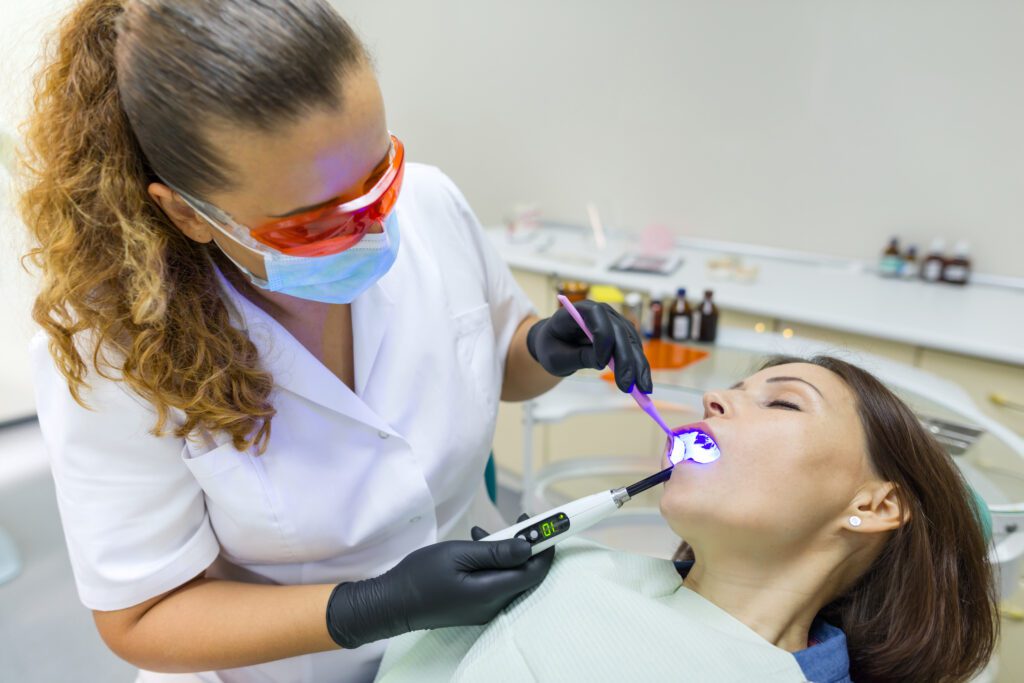
Types of Dental Sedation in Sahuarita, AZ
There are two types of dental sedation that Dr. Morris offers his patients:
- Nitrous Oxide: Also known as laughing gas, nitrous oxide is an odorless gas that relaxes the body. Dentists deliver nitrous oxide through a mask or tubes that patients inhale. Under nitrous oxide, many patients feel relaxed and calm. Patients may even feel happy or giggly under this type of sedation.
- Oral Conscious Sedation: As its name suggests, patients are conscious during this type of sedation. However, patients will still not feel any pain during treatment. A dentist gives patients a pill to take several hours before treatment. Because of this, patients need someone to drive them to and from their appointment.
Who Benefits From Sedation Dentistry?
Patients with dental anxiety or dental phobia benefit most noticeably from sedation dentistry. Anxiety can range from mild nervousness to intense fear that prevents patients from scheduling appointments. Sedation dentistry helps calm the nervous system and reduce the emotional response to dental treatment. Patients remain relaxed and feel less aware of sights, sounds, and sensations that typically trigger anxiety. As a result, they can complete necessary procedures comfortably and with greater confidence.
Sedation dentistry also benefits patients with a strong gag reflex. A sensitive gag reflex can make even routine procedures challenging and uncomfortable. Sedation relaxes the muscles and reduces reflex sensitivity, allowing dentists to work more efficiently. This benefit improves patient comfort and shortens appointment times. Patients who previously struggled during dental visits often experience a significant improvement with sedation.
Individuals with sensitive teeth or a low pain threshold often benefit from sedation dentistry as well. Even with local anesthesia, some patients remain uncomfortable during treatment. Sedation enhances pain management by reducing awareness of sensations. Patients feel calmer and more at ease throughout the procedure. This improved comfort encourages patients to seek care proactively rather than waiting until pain becomes severe.
Patients who require extensive or complex dental treatment also benefit from sedation dentistry. Procedures such as multiple fillings, crown placement, extractions, or full-mouth rehabilitation can require extended time in the dental chair. Sedation allows dentists to complete more treatment in fewer visits. This efficiency reduces overall stress and minimizes disruption to the patient’s schedule. Many patients appreciate the ability to address multiple concerns in one appointment.
Sedation dentistry supports patients with difficulty sitting still for long periods. Conditions such as chronic pain, muscle tension, or neurological disorders can make traditional dental visits uncomfortable. Sedation helps patients remain relaxed and still, allowing dentists to perform precise work. This stability improves treatment outcomes and reduces the risk of complications. Patients experience a smoother and more controlled appointment.
Children and special-needs patients may also benefit from sedation dentistry when appropriate. Some individuals struggle with sensory sensitivities, communication challenges, or behavioral concerns. Sedation creates a calmer experience that allows dentists to provide necessary care safely. Dentists carefully evaluate each case to ensure sedation remains appropriate and beneficial. This approach helps protect oral health while prioritizing patient safety.
Patients who have avoided the dentist for years often benefit significantly from sedation dentistry. These individuals may require extensive treatment due to long-term neglect. Sedation helps them overcome fear and complete care without overwhelming stress. This renewed access to dental treatment allows patients to restore oral health and rebuild trust in dental care.
Frequently Asked Questions
Do you have questions about dental sedation? Well, we have answers! Read below to find the answers to some of the most commonly asked questions about sedation dentistry.
Can I drive after sedation dentistry?
It depends on the type of sedation used. If you receive nitrous oxide (laughing gas), you can usually drive yourself home since the effects wear off quickly. However, oral sedation, IV sedation, and general anesthesia can impair coordination and judgment for several hours. In these cases, you must arrange for someone to drive you home.
Will I remember anything after sedation?
With nitrous oxide, you will likely remember most of the procedure. Oral sedation and IV sedation can cause partial or full memory loss during the appointment, making it feel like the procedure happened in minutes. This is especially helpful for patients with severe dental anxiety.
Can I eat before undergoing sedation dentistry?
For nitrous oxide, you can eat a light meal a few hours before your appointment. For oral sedation or IV sedation, you’ll likely need to fast for at least 6–8 hours beforehand. Your dentist will give you specific instructions based on the sedation type.
How long does it take for sedation to wear off?
It depends on the type of sedation. Nitrous oxide wears off within 5–10 minutes after stopping the gas, while oral sedation can last 4–6 hours or more. IV sedation and general anesthesia take longer, sometimes requiring the rest of the day for full recovery.
Is sedation dentistry safe for children?
Yes, when administered by a trained professional, sedation dentistry is safe for children. Dentists typically use mild sedation, like nitrous oxide or oral sedatives, to help anxious or uncooperative children stay calm. The dosage is carefully adjusted based on the child’s age, weight, and medical history. Proper monitoring during the procedure ensures their safety. Always discuss any concerns with your child’s dentist before sedation.
Can I use sedation dentistry if I’m pregnant?
We do not recommend most forms of sedation dentistry during pregnancy, especially in the first trimester. You should usually avoid nitrous oxide due to potential risks to the baby. Local anesthesia is the safest option. We commonly use it for necessary dental procedures. If you need sedation, we’ll evaluate the risks and determine the safest approach. Always inform us if you’re pregnant before any treatment.
Schedule a Dental Consultation
Are you looking for a way to prevent dental fear and anxiety? Contact 520-412-9162. You can also request a dental appointment with Dr. Morris on our website. We are here to customize dental treatment for you. Call our office, and we can accommodate your needs. We also encourage patients to bring objects that help them relax to regular dental visits, including their favorite music. Patients can also bring family members to their appointments for extra support.