
Do you have missing or damaged teeth? Are you noticing changes in your smile’s comfort or function? Dr. Jordan Morris provides restorative dentistry services for patients in his Sahuarita, AZ, dental office. Restorative dental care can fully transform the smile by replacing missing teeth, addressing tooth damage, reversing gum disease, and treating bite disorders.
With restorative treatments, patients improve their smiles’ look and function, making speaking and eating easier and more comfortable. Dr. Morris also provides dental services to correct and prevent common dental problems.
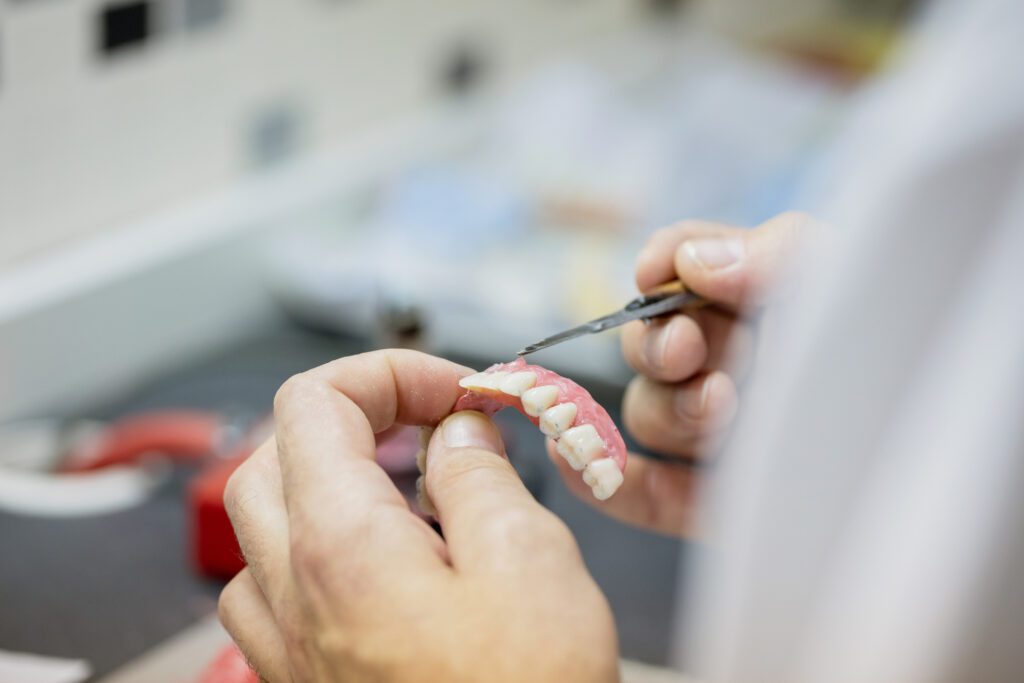
Our Restorative Dentistry Services in Sahuarita, AZ
Dental restorations and restorative treatments can renew the teeth, gums, and jaw joints. Addressing restorative dental problems can make everyday life more comfortable. Our restorative treatments include:
Dental Implants
A single dental implant is a titanium metal post, abutment, and dental crown. One or more dental implants can secure false teeth and offer longer-lasting restoration than removable options. Dental implants create a foundation for restorations and improve speech, biting, and chewing capabilities.
Dental Bridge
A bridge fills in tooth gaps in the smile left by one or more lost teeth. Dental bridges can use adjacent natural teeth or dental implants for support. Bridges can last longer with the support of implants.
Dentures
Complete and partial dentures replace rows and full arches of missing permanent teeth. Dentures traditionally lie on top of the gums. However, dental implants provide stability once they become a permanent part of the smile. Patients with rows of missing teeth in different parts of their mouth benefit from partial dentures. Complete or full dentures replace the upper and lower teeth.
Dental Crowns
Also known as tooth caps, dental crowns cover and protect single teeth. Tooth crowns can address tooth damage and wear. Additionally, a dental crown can cover weakened teeth following a root canal. Crowns create more stable, balanced smiles.
Gum Disease
Periodontitis, or gum disease, forms from harmful bacteria that break down the gum tissue. Over time, patients with gum disease experience pain, bleeding, and recessed gum tissue. Regular dental care and deep cleanings can help prevent permanent damage to the gums. For more information on gum disease and how we diagnose and treat it, please see Periodontal Disease Treatment.
TMJ Disorders
Temporomandibular joint disorders (TMD) create uncomfortable symptoms like jaw and facial pain, headaches, migraines, and bruxism. Wearing a custom nightguard during sleep can help address TMD symptoms, including teeth clenching and grinding. Physical therapy and a soft diet for multiple weeks can also alleviate pain in the jaw muscles. For more information on TMJ disorders and how we treat them in our patients, please see TMJ Treatment.
The Necessity of Restorative Dentistry
One of the primary reasons restorative dentistry is necessary is to halt the spread of tooth decay. Cavities allow bacteria to penetrate deeper layers of the tooth, which can lead to infection and pain. Restorative procedures remove decay and seal the affected area, preventing bacteria from spreading. Early restorative care preserves natural teeth and reduces the need for more extensive treatments. Addressing decay promptly protects both comfort and oral health.
Restorative dentistry also restores strength and function to damaged teeth. Cracked, chipped, or worn teeth can compromise the ability to chew properly. When patients avoid certain foods due to discomfort, nutrition may suffer. Restorative treatments such as fillings, crowns, and inlays reinforce weakened teeth and restore proper bite alignment. This support allows patients to eat comfortably and maintain a balanced diet.
Preventing infection represents another essential reason restorative dentistry is necessary. Untreated dental damage provides a pathway for bacteria to reach the inner pulp of the tooth. Once infection develops, it can spread to surrounding tissues and lead to abscess formation. Restorative dentistry eliminates infected material and protects vulnerable areas. Prompt treatment reduces the risk of serious complications and supports overall health.
Restorative dentistry also helps preserve natural teeth for as long as possible. Tooth loss affects chewing, speech, and facial structure. When a tooth deteriorates beyond repair, extraction may become necessary. Restorative procedures extend the life of natural teeth by stabilizing damage and reinforcing weakened areas. Preserving natural teeth remains a priority in modern dentistry.
Another important reason for restorative dentistry is maintaining proper bite alignment. Missing or damaged teeth can cause neighboring teeth to shift. These changes increase stress on the jaw and remaining teeth. Restorative treatments maintain spacing and alignment, preventing secondary issues such as jaw pain or uneven wear. Proper alignment supports long-term oral function.
Restorative dentistry also improves overall oral comfort. Damaged teeth often cause sensitivity to temperature and pressure. Restorative treatments cover exposed areas and protect nerve tissue. Patients experience reduced discomfort and improved quality of life. Addressing dental damage allows patients to return to normal daily activities without pain.
Restorative dentistry supports long-term oral health and wellness. Untreated dental issues can contribute to chronic inflammation and infection. Oral health connects closely to overall health, including heart health and immune function. Restorative care removes sources of infection and promotes systemic well-being. Patients who invest in restorative dentistry protect both their oral and general health.
Restorative Dentistry Q&A
We welcome you to learn more about restorative dental care with answers to these common questions:
Do I have gum disease if my gums bleed?
Bleeding gums are often a sign of gum inflammation or gingivitis. Gingival bleeding typically occurs when you brush or floss. While gingivitis is a precursor to periodontitis, we can reverse gum inflammation with a good oral hygiene routine and regular dental cleanings. Your gums may also bleed if you have an injury.
How long do dental implants last?
A dental implant itself can last a lifetime. However, over time, you may need to replace the crown, bridge, or denture that an implant or implant supports. Continuing to brush and floss and visiting the dentist for regular cleanings can help prevent gum disease and decay that impact implant stability.
What do I do if I have multiple restorative dental problems?
Our team can fully reconstruct your smile if you have multiple dental problems, including missing, damaged, or infected teeth. We will examine your smile and take dental X-rays to treatment plan a combination of treatments. Our team has the expertise to professionally plan and execute treatment that renews the full function of the smile.
How do I know if I need a dental crown instead of a filling?
A crown is needed when a tooth is too damaged or weak for a filling to restore it properly. If a tooth has severe decay, large cracks, or has had a root canal, a crown provides better protection and longevity. Fillings work for small to moderate cavities, but crowns are best for teeth with extensive structural damage.
How long does it take to adjust to new dentures or partials?
Most patients take a few weeks to adjust, but some may need a few months to feel completely comfortable. At first, dentures may feel bulky, cause extra saliva production, or create sore spots. Regular adjustments and practice with eating and speaking help the transition.
Can TMJ disorders be treated without surgery?
Yes, you manage most TMJ disorders with non-surgical treatments like bite adjustments, night guards, physical therapy, and stress management techniques. In severe cases, treatments like Botox injections, orthodontics, or surgery may be necessary. Your dentist will evaluate your symptoms and recommend the best approach.
Renew Your Smile
Do you need a new dental restoration? Are you seeking a dentist offering thorough treatment to renew patient smiles? Contact Dr. Morris for restorative care today at 520-412-9162. Feel free to schedule a dental appointment online. Dr. Morris serves patients from Sahuarita, Tucson, and the surrounding communities.